Hackerspace News
News
Blogs
Startup Branding Guide: 5 Tips To Successfully Brand Your Startup
Why Branding Matters In the age of digital marketing, creating a strong brand is a fundamental step for the success of any startup. Your brand represents the identity of your company and distinguishes you from your competitors. Whether you’re a startup or an established business, establishing a brand identity is critical. However, before diving into design and marketing, there are crucial preliminary steps to consider. With all that in mind, this startup branding guide is designed to get you ready to go from concept to reality. Step 1: Define Your Startup’s Purpose Before delving into branding, it is essential to have a clear understanding of your company’s purpose. Begin by asking questions like, “Why does my startup exist?” and “What problems does it solve?” This initial step will guide you through the process of defining your startup’s mission and values, which will serve as the bedrock for your brand. Even if your mission and values will evolve over time you should have a basic understanding of what you are trying to solve. For example if you are building a software tool designed to help people find more local restaurants, that should impact your target audience and overall design. Creating a well-defined company purpose is not a one-time task. It involves a continuous process of introspection and refinement. To craft a compelling purpose, gather input from your users, especially those who are interested early on in your startup’s development. Their insights can help you crystallize the core reasons your company exists. Don’t let their feedback change everything but keep you users in mind when making decisions. If none of your customers think you are going in the right direction it is time to go back to the drawing board. Furthermore, it’s crucial to ensure that your company’s purpose is not merely aspirational but also authentic. It should reflect the genuine values and goals of your business. Authenticity in your brand’s purpose will not only resonate with your audience but also build trust and credibility over time. To put this simply, your audience will know when they are being lied to so try to be genuine with your branding. This has been proven time and time again when looking at the rise of certain social media influences. The influencers who tend to last because their audience relates to their true personality, faking something to try and get more sales can grant you a short term gain but is unsustainable. Step 2: Know Your Target Audience To build an effective brand, you must have an understanding of the people you want to reach. Identifying and understanding your target audience is essential. Start by creating buyer personas, which are detailed profiles of your ideal customers. Consider demographics, behaviors, and pain points. No idea how to go about mapping out this information, check out the deep dive in our Geekdom Startup Guide Book . Understanding your audience enables you to tailor your branding efforts to resonate with potential customers. It’s not just about what you want to say; it’s about crafting a message that connects with the needs and desires of your audience. Market research, surveys, and social media analytics can be valuable tools in this process. Creating detailed buyer personas is a crucial aspect of this step. Dive deep into your research and compile as much information as possible. Beyond demographics, consider your audience’s psychographics, such as their values, lifestyles, and buying behaviors. Understand their challenges, aspirations, and what motivates their decisions. Additionally, it’s essential to keep revisiting your buyer personas regularly. Market trends and consumer behaviors can change, so your understanding of your target audience should evolve with them. This iterative approach ensures that your branding efforts remain aligned with your audience’s preferences and expectations. Step 3: Research Your Competition Competitive analysis is crucial for setting your brand apart. To do this effectively, you need to research and analyze your competitors. Identify gaps in the market, discover your unique selling points (USPs), and learn from the successes and failures of others in the space. By understanding your competition, you can position your brand strategically. Highlight what makes you different and better. Leverage your findings to refine your brand’s value proposition, making it more appealing to your target audience. Competitive analysis should be a comprehensive process. Beyond assessing the strengths and weaknesses of your competitors, consider their branding strategies, messaging, and the emotions they evoke in their audience. What do they do exceptionally well, and where do they fall short? These insights can inform your own brand strategy. Identifying gaps in the market is not just about finding opportunities but also about understanding the evolving needs of your potential customers. This can lead to innovative solutions and unique positioning in your industry. Keep in mind that you should not feel limited to operate in the same box your competitors are working in. Use lessons learned from competitor research to guide you on your journey but don’t be afraid to try something that failed for others if you have a new or unique way to execute on the concept. Step 4: Craft a Compelling Brand Story Your brand story is more than just a marketing narrative; it’s the heart and soul of your company. Craft a compelling story that encapsulates your company’s journey, values, and vision. A well-told brand story can resonate with customers on a personal level, creating an emotional connection that goes beyond your products or services. Your brand story should reflect your company’s history, mission, and the challenges you’ve overcome. It’s an opportunity to humanize your brand, making it relatable and memorable. The team at Story Brand has a wonderful guide on how to go through this process, so if you want to learn more check out their full guide here. In addition to your past, your brand story should also project a vision for the future. Where do you see your company heading, and how will you continue to make a positive impact? This forward-looking perspective can inspire your audience and create a sense of shared aspiration. Crafting a Brand Story is important enough to exist on this list, but know this is a very flexible document that should evolve over time especially if you are in the early stages of your startup. Your customer persona might change, as well as the story that resonates with you and your customers. The key thing is to have things documented so you can test your theories and iterate overtime as you grow. Step 5: Choose Your Brand Elements Now that you’ve laid a solid foundation, it’s time to delve into the visual and textual aspects of your brand. Select your logo, color palette, typography, and other brand elements that will effectively convey your identity. Your visual elements should align with your brand’s purpose and story. Colors, for instance, can evoke emotions and convey specific messages. The logo should be a visual representation of your brand’s values and mission. Make sure these elements are consistent across all your marketing materials. Choosing your brand elements is a crucial step that involves careful consideration and alignment with your brand’s identity. When selecting colors, delve into color psychology to understand how different hues can evoke specific emotions and perceptions. Consider how these colors will be used in various marketing materials, from your website to packaging. Your logo is the centerpiece of your visual brand identity. It should be designed with a deep understanding of your brand’s values and purpose. A well-designed logo can communicate a lot about your company without words. Don’t rush this process; invest time and resources in creating a logo that will stand the test of time. What’s Next? Building a brand is a multifaceted process that goes beyond a mere logo and tagline. By following our startup branding guide’s five key steps, you’ll lay a strong foundation for a successful branding journey. A well-defined brand can foster trust, loyalty, and recognition among your target audience, ultimately leading to business growth. Remember, your brand is a powerful asset that can shape the perception of your company. Take the time to define your purpose, understand your audience, analyze your competition, create a compelling brand story, and select the right brand elements. With these essential steps, you’ll be well on your way to creating a brand that resonates with your customers and sets you on the path to success. Don’t forget branding is just the first step in a much longer startup journey. Get the resources you need to grow your brand and scale your startup through the Geekdom Incubator program. Submissions for our Q1 class just opened, so it is a prefect time to leverage this startup branding guide to get a head start on your application. The post Startup Branding Guide: 5 Tips To Successfully Brand Your Startup appeared first on Geekdom .
Other
Aizvadīts "Digitalizācijas Brančs Kuldīgā"
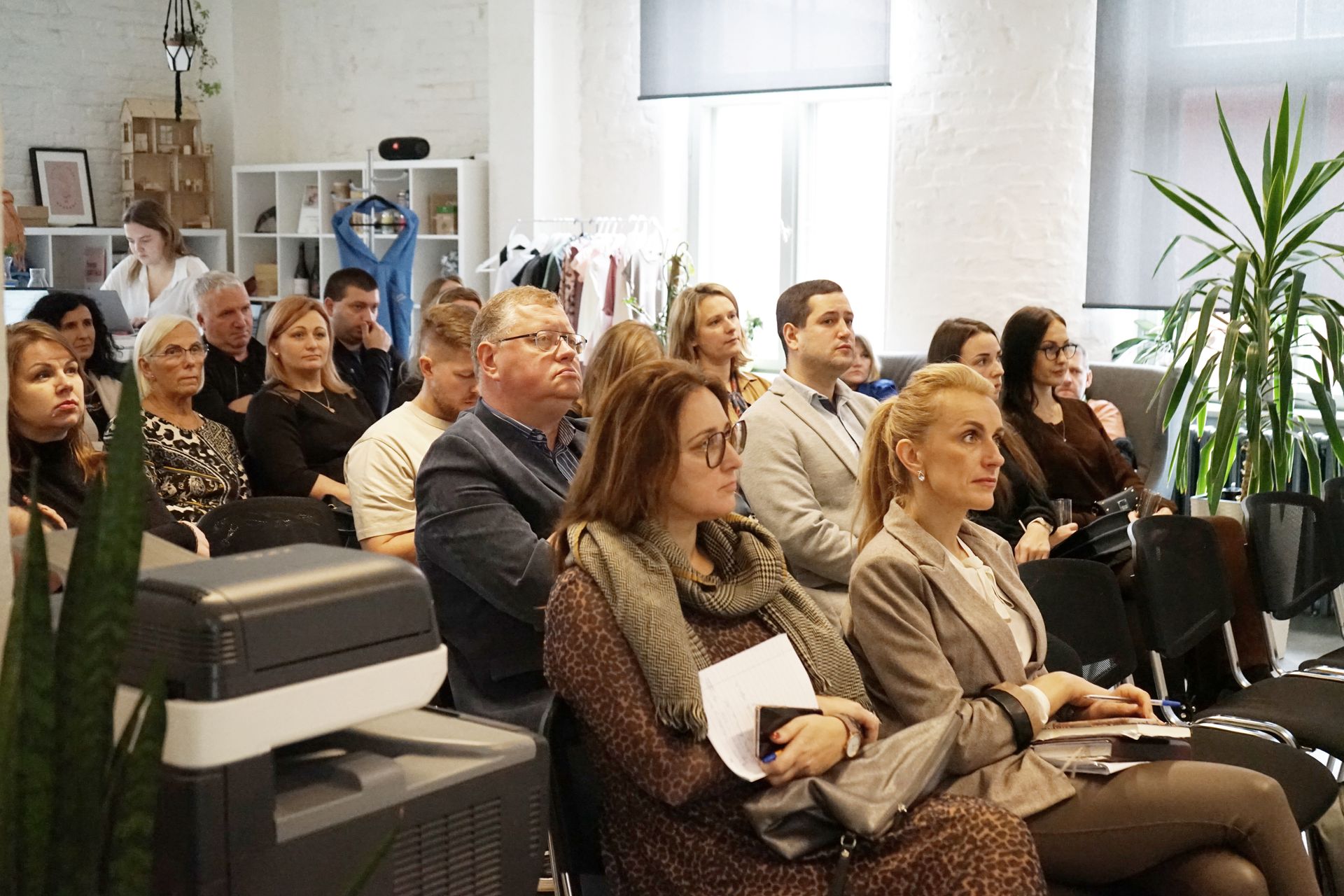
2023.gada 2. novembrī LIAA Kuldīgas biznesa inkubatora telpās norisinājās jau trešais Eiropas Digitālā inovācijas centra (EDIC) Kurzemes reģiona kontaktpunkta rīkotais pasākums ar nosaukumu “Digitalizācijas Brančs Kuldīgā”. Tā mērķis bija informēt uzņēmējus par finansējuma un atbalsta rīkiem digitalizācijas attīstības procesā. Pasākuma ievadā klātesošos uzrunāja Kurzemes kontaktpunkta Digitālās inovācijas centra vadītājs Gvido Grīnbergs, stāstot par iespējām Kurzemes reģiona uzņēmējiem digitalizēt uzņēmējdarbības procesus, kā arī produktus vai pakalpojumus. Ēvalds Urtāns, mākslīgā intelekta pētnieks dalījās ar savu skatījumu un pieredzi par mākslīgā intelekta risinājumiem procesu un produktu digitalizācijai. Prezentācijas laikā dalībnieki tika iepazīstināti ar mākslīgā intelekta būtību un to pielietojumu ikdienā un biznesā, kā arī tiem bija iespēja uzzināt par reāliem mākslīgā intelekta risinājumiem, kuri spēj atvieglot uzņēmumu darbību. Pasākumu bagātināja Sergejs Zikovs, kurš pasākuma dalībniekiem skaidroja atšķirību starp digitalizāciju un digitālo transformāciju, kā arī sniedza ieskatu par pirmajiem soļiem, kuri jāveic uzņēmumam, lai saprastu, kas ir tās jomas, kuras uzņēmumos būtu vērts digitalizēt. Sergejs uzsvēra: “Mūsdienās gribot vai negribot ir jāseko līdzi laikam un jaunākajām tendencēm, jo tehnoloģijas attīstās ļoti ātros tempos. Lai uzņēmumi paaugstinātu savu konkurētspēju ir nepieciešams ieviest dažādus modernus risinājumus uzņēmuma procesos.” Pasākumu noslēdza Ventspils Augstskolas 3. kursa students un BASAFUL izpilddirektors Daniels Bērziņš, kurš iepazīstināja klātesošos ar studentu dibināto uzņēmumu, tā pirmsākumu un digitālo attīstību līdz šim brīdim. Šobrīd BASAFUL piedāvā dažādus digitālus pakalpojumus, kā piemēram, mājaslapas izstrādi, digitālo mārketingu, sociālo tīklu administrēšanu. BASAFUL nodrošina iespēju studentiem gūt daudz praktiskāku pieredzi viņu profesionālajā izaugsmē. Par digitālajiem rīkiem, kas tiek izmantoti BASAFUL ikdienā Daniels atbild: “Visi procesi uzņēmuma iekšienē ir pārnesti uz digitālo vidi. Iekšējā komunikācija, projektu vadības sistēmas, pat līgumu izstrāde.” Savukārt jautājot par galvenajiem rīkiem, kuri tiek pielietoti īstenojot projektus un sniedzot savus pakalpojumus Daniels atbild sekojoši “Tas ir mākslīgais intelekts, Google, kā arī YouTube.” Pasākuma dalībniekiem bija iespēja arī neformālā gaisotnē iepazīties, uzdot sev interesējošus jautājumus un apmainīties ar kontaktinformāciju. Sīkāka informācija par pieejamo atbalstu šeit . *Informatīvu pasākumu “Digitalizācijas rīts” organizēja Eiropas digitālās inovācijas centra Kurzemes kontaktpunkts, Ventspils Augsto tehnoloģiju parks projekta “EDIC: atbalsts digitalizācijai un mākslīgā intelekta attīstībai Latvijā” un projekta “Development of AI – ICT for Manufacturing EDIH in Latvia” īstenošanas ietvaros. *Finansē Eiropas Savienība un Eiropas Savienība - NextGenerationEU. Tomēr paustie uzskati un viedokļi ir tikai autora(-u) uzskati un viedokļi un ne vienmēr atspoguļo Eiropas Savienības vai Eiropas Komisijas uzskatus un viedokļus. Par tiem nav atbildīga ne Eiropas Savienība, ne Eiropas Komisija. Ziņu sagatavojis EDIC Kurzemes reģiona kontaktpunkta komanda